








Mother & Baby
Body Rehab Studios
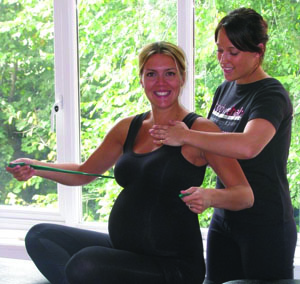
At Body Rehab Studios are Women’s Health Physios and Pilates instructors who specialist in all things mother and baby related. Pelvic girdle pain in pregnancy can be vastly improved with a combination of hands on physio and their specialist Pilates classes. Pelvic girdle pain may be a normal part of pregnancy but that does not mean it can’t be treated. They can also tape your bump to give it more support; if you are struggling with pelvic belts that are uncomfortable and annoying, this could be the answer. They have a state of the art scanner to check your abdominals and pelvic floor are working again properly after giving birth. SPD or Diastasis Recti? – Body Rehab Studios can help, just give them a call and they can decide on a treatment that will benefit you.
Body Rehab Studios
30 The Drive, Hove, BN3 3JD
01273 746898
www.bodyrehabstudios.com
From The Seed
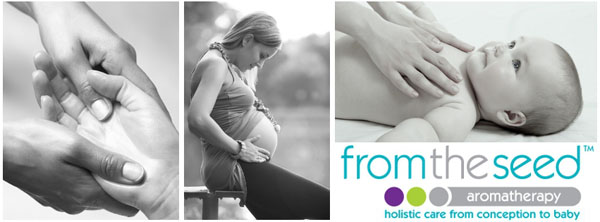
Are you looking for a relaxed and healthy pregnancy? From The Seed can offer you specialist holistic care from conception to baby. Using a combination of massage and essential oils, Jo can guide you through your pregnancy journey.
Touch is a powerful, nurturing tool; through massage Jo will assist you through the changes of your pregnancy. She can show you and your birth partner how to use massage for your labour; receiving a loving touch during this time will leave you feeling supported and cared for. And once your baby is born let your baby experience massage with the baby massage course. All classes, workshops and treatments can be found right here in Brighton.
Jo Kellett TIDHA CIMI IFPA
From The Seed
07970 773 030
www.fromtheseed.co.uk
www.facebook.com/fromtheseed
www.twitter.com/jofromtheseed
Aquababies
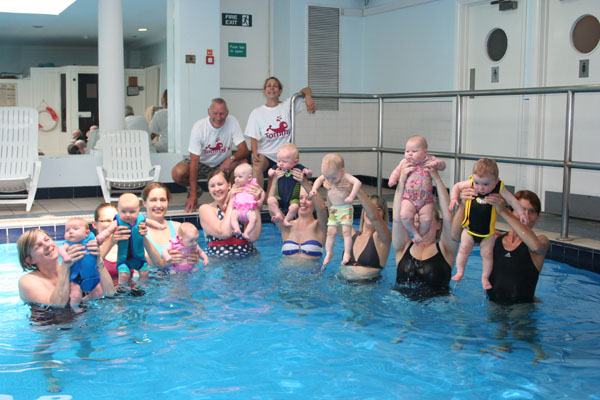
Aquababies teach their fun structure baby swimming program at the Hilton in Brighton, adding PABA (Parent & Baby Aqua Fit & Aqua Yoga). Lose weight and get fit while teaching your baby breathing exercises and having fun in the water together. This is a 30-minute aqua-based workout program for parents and babies. It’s designed to improve parents’ fitness and to introduce babies to the water. The program is comprised of a series of moderately paced, low impact, fat-burning aqua aerobic exercises for parents, integrating elements of the tried and tested Aquababies swimming program.
www.aquababies.co.uk