












“2000 Meters to Andriivka” — A Distance That Cannot Be Measured in Steps
“2000 Meters to Andriivka” — A Distance That Cannot Be Measured in Steps
FILM SHOWING ON SKY DOCUMENTARIES (VIRGIN MEDIA CHANNEL 121)
SUNDAY 22 MARCH 11pm
REVIEW BY Maryna Zahorodniuk
This film unfolds against the backdrop of the brutal war started by russia against
Ukraine. A war that, for many people watching from afar, appears as numbers on
the news — kilometers of frontline, daily reports, statistics. But behind those
numbers are human lives, fragile and irreplaceable.
The documentary “2000 Meters to Andriivka” shows a tiny fragment of that vast
and terrifying reality. Just two thousand meters of land that soldiers must cross and
hold.
The film “2000 Meters to Andriivka” is not about geography. It is about how a
distance can be shorter than a morning run and longer than an entire lifetime.
Andriivka in the film is not just a point on the map. It sounds like a word you
swallow slowly, because you know what lies behind it: someone’s sleepless nights,
someone’s message saying “I’m okay” written under the whistle of incoming
shells.
In ordinary life, two thousand meters is the walk to school, to the shop, to a café. It
is a route you take while listening to music or thinking about your grocery list.
But in war, those same two thousand meters become something terrifying.
The air feels heavier there, as if even breathing requires courage. Silence can be
more frightening than explosions, because it might mean something is about to
happen. Every step forward feels uncertain, fragile — as if the ground itself could
break beneath you.
This war in the film is not distant or abstract. It is close, raw, and frighteningly
real. You hear the blasts, you see the exhaustion in soldiers’ eyes, and you realize
that these moments are not scenes created for cinema. They are fragments of
someone’s life.
At one point, a soldier quietly asks a question that lingers long after the moment
passes:
“What if this war lasts until the end of our lives?”
It is not said dramatically. It almost sounds like a thought spoken out loud. But it
hits with a terrible weight. Because suddenly those two thousand meters stop being
a distance. They start to feel like a future that stretches endlessly through smoke,
mud, and uncertainty.
What struck me most is how ordinary things become symbols in the film.
Someone cracks a joke — and it sounds just like laughter in a kitchen after a long
day.
But here that laughter carries something else inside it — fatigue, fear, and the quiet
knowledge that tomorrow might not come.
In peaceful life, we measure time by deadlines.
There, it is measured by the pauses between incoming strikes.
We get annoyed by a delayed bus.
They are grateful for another sunrise.
This film does not shout. It looks you straight in the eyes — and that is its strength.
Because when the camera rests on the soldiers’ faces, you suddenly see not “heroes
from the news,” but ordinary people — the kind who could just as easily be
standing in line for bread or arguing about the weather.
The only difference is that their world has been torn apart by war.
“2000 Meters to Andriivka” reminds us that the distance between peace and war
can be frighteningly small. And that the calm rhythm of our everyday lives exists
because somewhere, someone walks those two thousand meters — again and
again.
After this film, you don’t feel like speaking right away. You want to walk your
usual route in silence and think: how strange that for me it’s just a road….while for
someone else, it’s the line between life and death.
Not heroes from the news, but ordinary people placed in extraordinary circumstances.
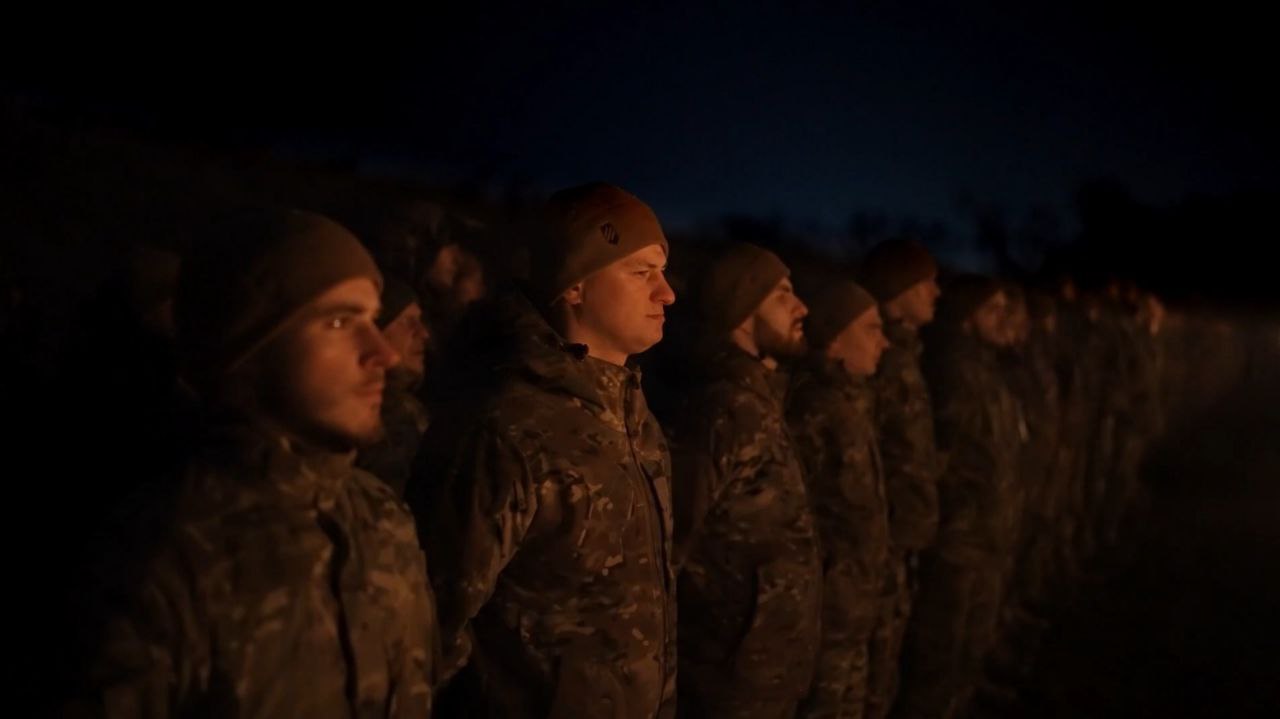
The world behind them is shattered. Every sunrise is a gift.
Every meter counts. These two thousand meters are more than distance — they are endurance, fear, and survival.
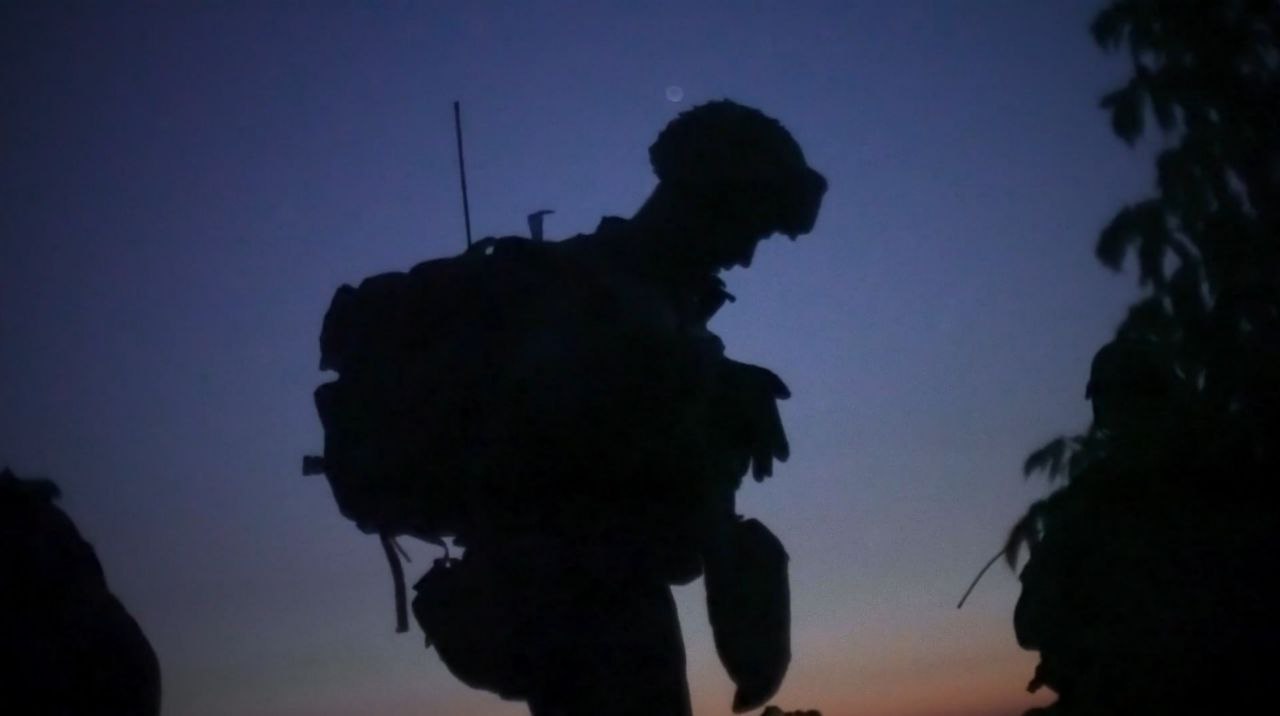
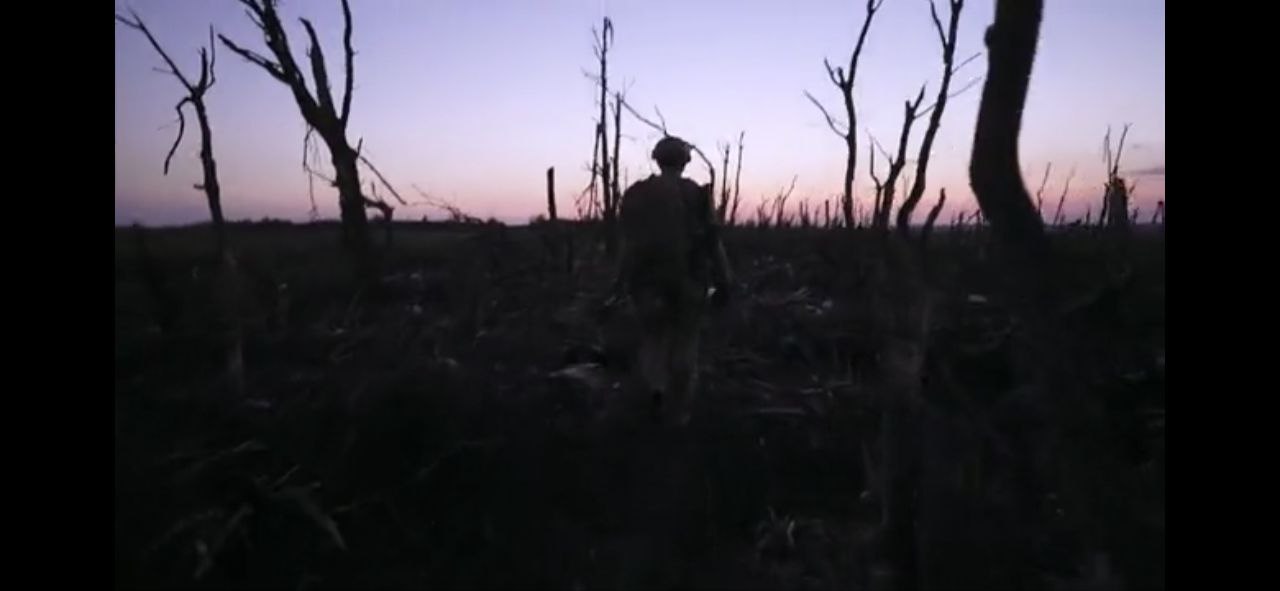
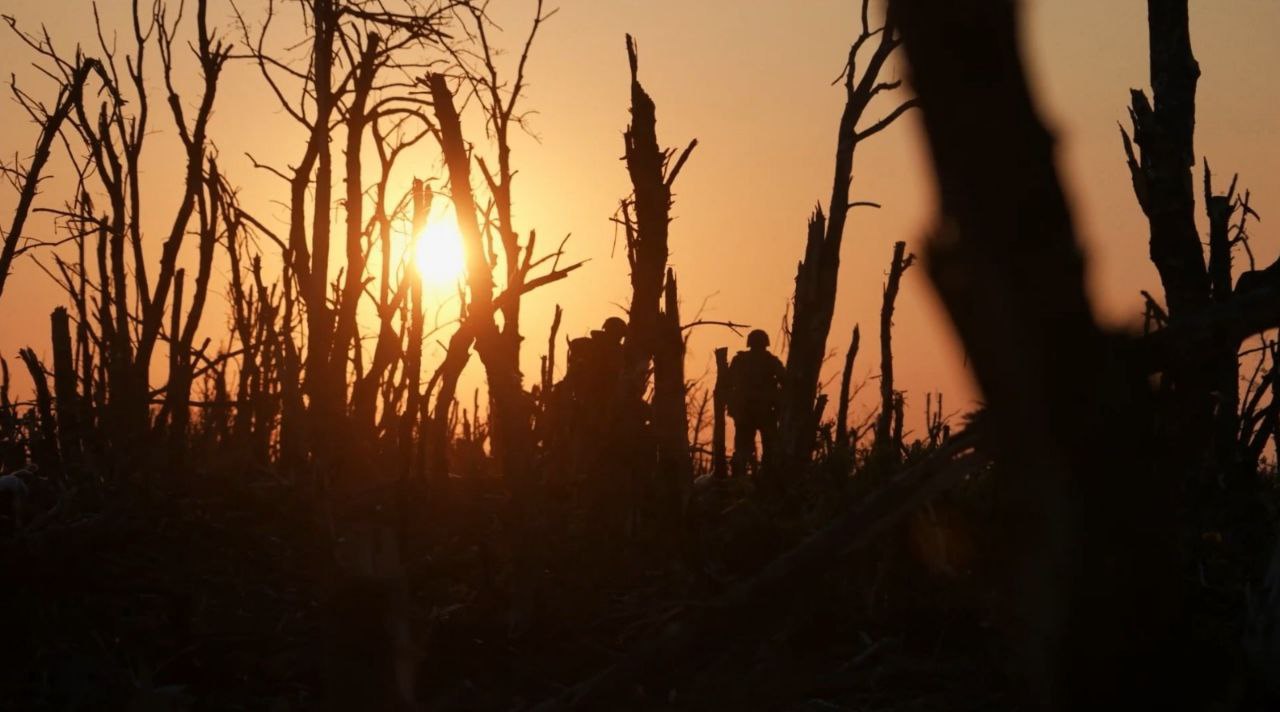
The world behind them is shattered. Every sunrise is a gift.
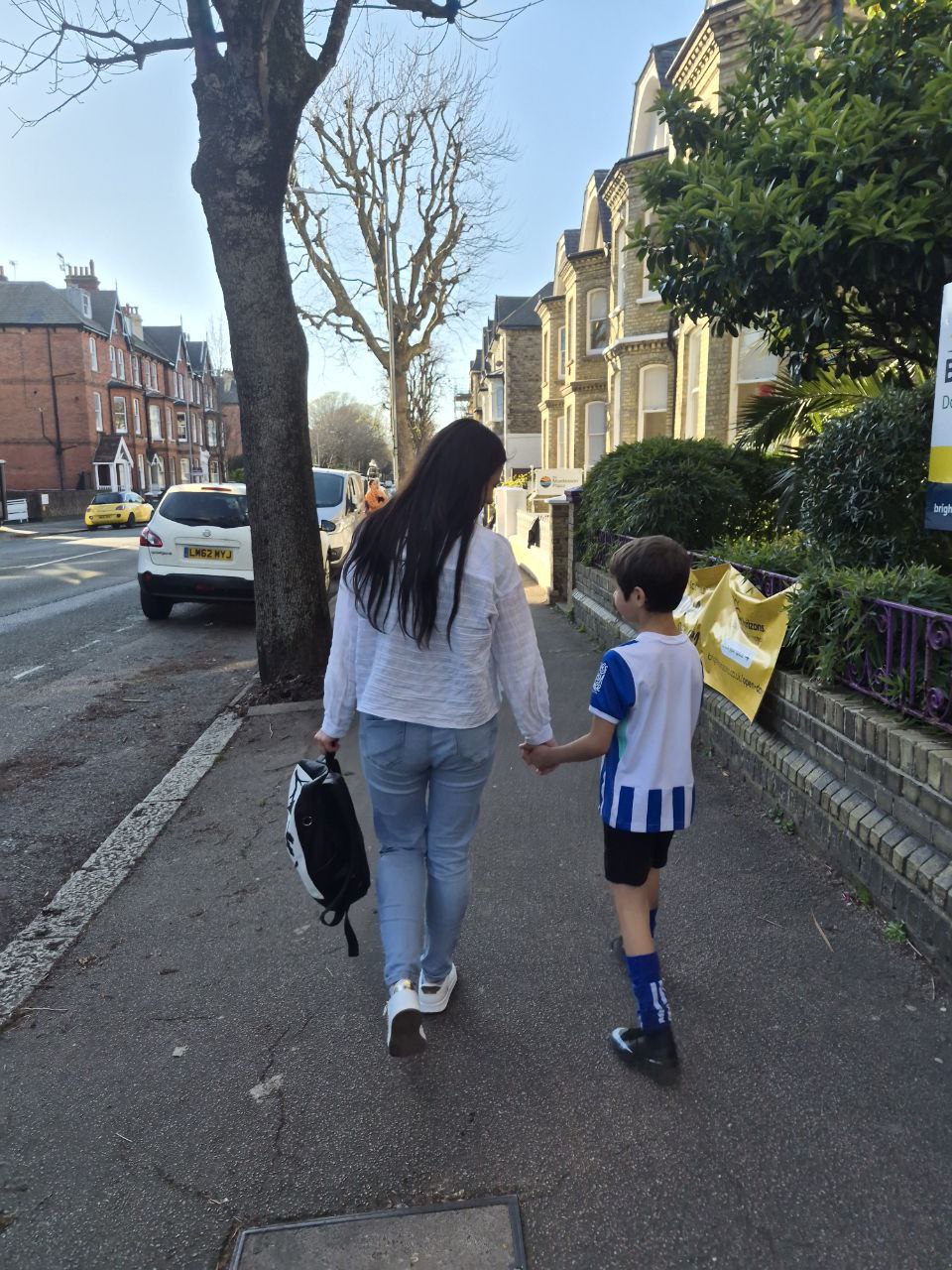
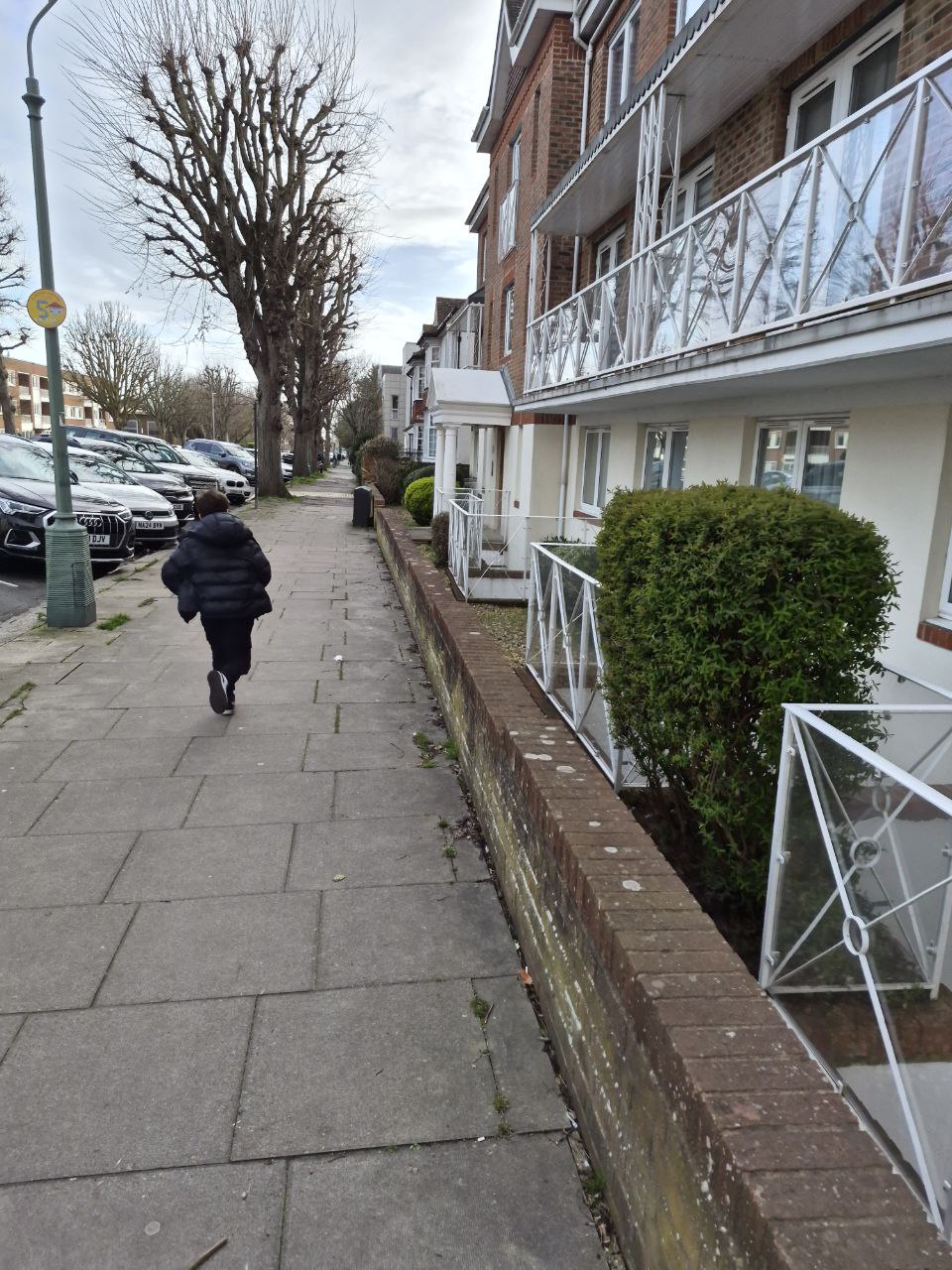
For us, it’s just a walk home. For someone else — it’s 2000 meters through war.
No fear. No hesitation.
Because in his world, the road doesn’t lead through war.




Leave a Reply